What counts as “unwanted” is, at first, not that easy to answer.
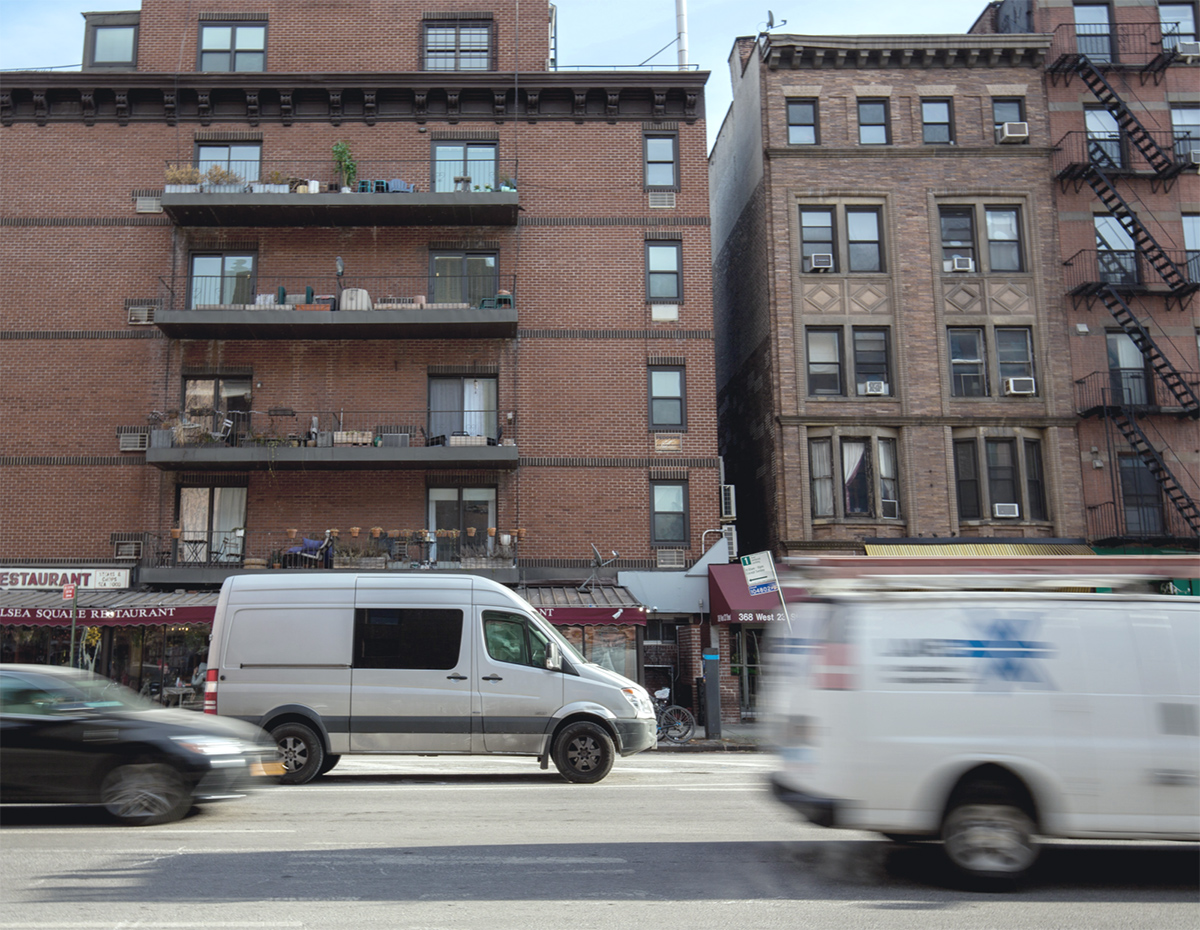
Urban planners have ideas about it. So do residents. And so do road users, delivery services and local businesses. These ideas don’t have to match. For some, a street is an important connection; for others, a burden.
Who actually wants what here? And what does a distribution of traffic look like that we as a society consider ideal?
Technology needs clear goals
Computer technology forces us to answer such questions concretely. “Less traffic here” is not yet enough of a description. Where should this traffic go? Which additional routes or burdens are acceptable there? Which uses should remain possible?
NUNAV is, first of all, unemotional about this. The technology can implement rules and goals that society wants, provided they are clearly described and represented technically. What society wants, it has to settle for itself.
Applicable traffic rules and additional planning wishes need to be kept apart. A technical implementation does not turn a wish into a binding rule.
Why shortcuts can become a problem
In so-called “selfish routing”, each trip is optimized on its own. If a side road looks particularly favorable, the same shortcut can become attractive to many vehicles.
Then many road users may get the same recommendation through a residential street. The problem comes from the sum of the decisions: a route that seems sensible at low use can be overloaded once use is bundled on it.
How NUNAV reduces this risk
Through the reservation procedure, NUNAV takes into account which trips are already planned on a road. This expected use feeds into further routing decisions before the vehicles get there.
The supposedly free shortcut is therefore not treated, for every further vehicle, as if its use were unchanged. Traffic is split up. This way, NUNAV counteracts excessive bundling on individual side roads simply by how it works.
This does not mean that residential streets are excluded across the board. It means that their expected use is taken into account in the distribution.
Longer routes need their own assessment
The fastest route is not always the shortest. A longer route can take less time because traffic is flowing there. Whether it also uses less energy depends, among other things, on the vehicle and the driving pattern.
So this question, too, needs a clearly described goal. Is it about travel time, vehicle kilometers, emissions or the load on certain streets? These goals can fit together, but they don’t have to.
A single trip through a residential street therefore does not yet answer the question of what a navigation system does. What decides is how the distribution of traffic changes overall – and against which goals it is judged.